The Bail-Out Plan: Building a Weekend Ride That British Weather Can't Cancel

There's a particular kind of Saturday morning gloom that has nothing to do with the sky. You're dressed, you're fed, the bike is by the door, and the Met Office app shows a band of rain sitting over your route like a stain. You check again. Then again. Then you take your shoes off and spend the day doing admin. It's a familiar routine for UK riders, and it's costing us a lot of weekends.
The problem isn't that British weather is unpredictable — it's that we plan rides as if it isn't. One route, one distance, one commitment. Anything less than perfect and the whole thing collapses. The alternative is to build a ride that has options baked in from the start: an A, a B and a C, all leaving from the same place, all worth riding in their own right.
Start with the forecast, then ignore half of it
The Met Office rain radar is the most useful tool a UK rider has, and it's also the most misused. A percentage chance of rain tells you almost nothing. What you want is the shape and speed of the front: is it a fast-moving squall that'll be through by ten, or a slow-moving band that's going to sit over the Peak District all afternoon? The five-day forecast is a mood board. The two-hour radar is a plan.
Wind direction deserves equal attention, and most riders give it none. A 20mph headwind on the way out is a route-planning problem, not a character test. If the wind is coming from the west, ride west first and come home with it. That single change turns a miserable day into a decent one, and it doesn't require any new kit.
One start, three distances
The core of the plan is simple: pick a start point — a station car park, a village hall, a cafe that opens early — and design three loops from it. The A route is the ride you actually want to do: 80 to 100km, the hills you came for, the good cafe halfway. The B route trims it to roughly 50km, keeping the best climbing and cutting the filler. The C route is short, flat-ish and, crucially, ends near a station with a reliable service.
This isn't about defeatism. It's about giving yourself permission to ride the C route without feeling like you've failed. A 25km loop on quiet lanes with one good coffee stop is a genuinely nice morning out. It's only disappointing if you'd told yourself it was a consolation prize.
Bail-out stations you can actually rely on
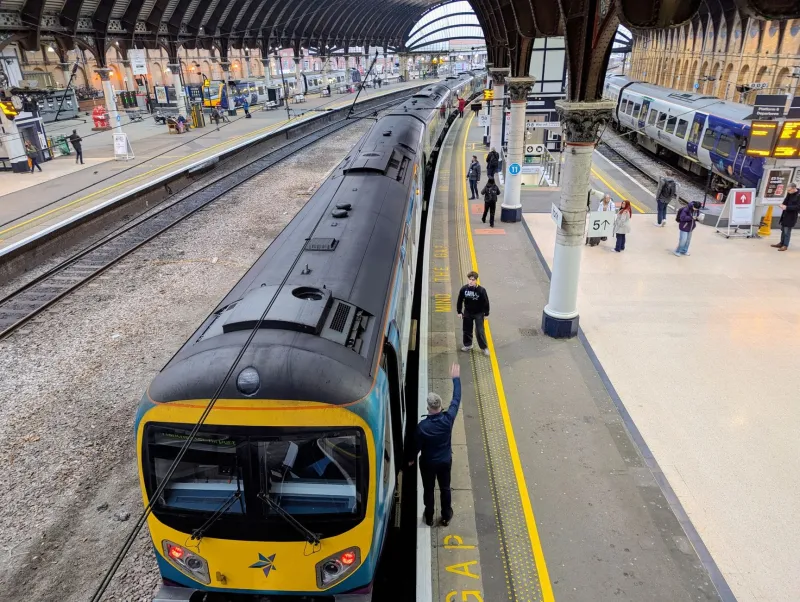
A bail-out point is only useful if the trains run. Before you commit, check National Rail for the actual timetable on the day — Sunday services on rural lines can be two-hourly or worse, and some stations are request stops where you have to flag the train down like a bus. A station that looks perfect on the map can be a stranded afternoon in the rain.
Good bail-out stations tend to have three things: an hourly or better service, a platform shelter, and somewhere within walking distance to wait out a shower. Bonus points for a cafe. Avoid anything that closes its ticket office at lunchtime and has no card machine, because a dead phone and a cancelled card is a special kind of bad day.
Kit that shrinks, not kit that swears
The anti-cancellation wardrobe isn't about buying a better jacket. It's about layers you can shed and stow in a jersey pocket or a small bar bag. A packable shell, a thin gilet, long-finger gloves, and a set of working lights will cover almost everything a British weekend can throw at you between April and October. Add overshoes in winter and you're done.
Mudguards are not a fashion statement, they're a route-extender. The difference between a bike with guards and one without is the difference between riding the lanes after rain and avoiding them for a week. If you're on a bike that can take them, fit them and leave them on.
Set decision points, not vibes
This is the bit most riders skip, and it's the bit that actually works. Pick two or three points on the A route where you'll make a call. Not 'we'll see how we feel' — an actual decision. At the top of the first climb, you check the radar again. If the front has moved forward by more than an hour, you drop to B. At the second junction, if it's already raining and the temperature is below six degrees, you take the C route home.
Write them down if you have to. The point is to take the decision out of the moment, because in the moment you'll either push on out of stubbornness or turn back out of gloom. Neither is a plan.
The honest bit: when to knock it on the head
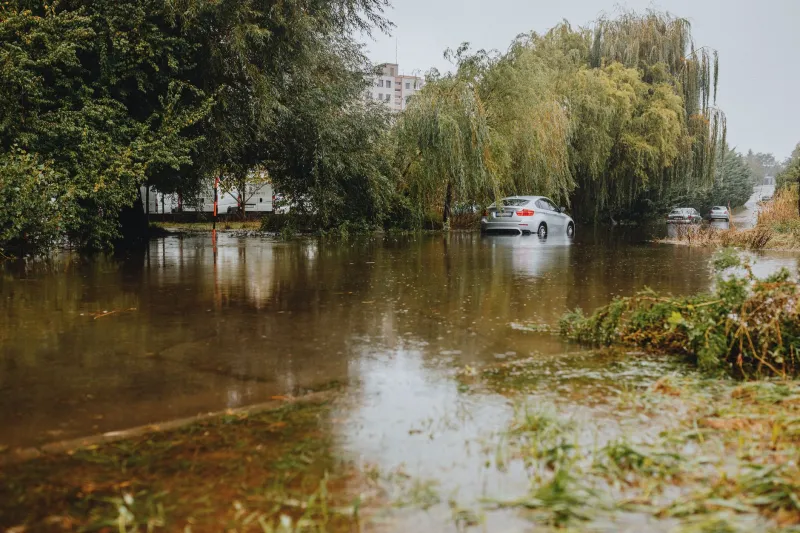
There are conditions where the right call is the car park. Standing water across a lane after a night of heavy rain is not a challenge, it's a hazard — you can't see the pothole underneath. Ice on shaded descents in November is genuinely dangerous. Lightning over an exposed ridge is a hard no. And if the wind is gusting over 40mph, the fun-to-risk ratio has tipped.
Knowing when to stop isn't the same as cancelling. It's the last decision point on a ride that had several. That's the whole idea: you're not choosing between a perfect ride and no ride, you're choosing between four versions of a decent day out.
Make the C route good enough to want
One last thing, and it matters more than any of the above. Don't design your C route as an afterthought. Give it a cafe. Give it a view. Give it a reason to exist beyond 'the weather was rubbish'. If the short option is genuinely nice, you'll ride it more often, and you'll stop treating British weather as an excuse to stay indoors.
The forecast will always be a bit wrong. The plan doesn't need to be perfect — it just needs to have a second and third act.