Seven Gravel Loops Where the Train Does the Driving
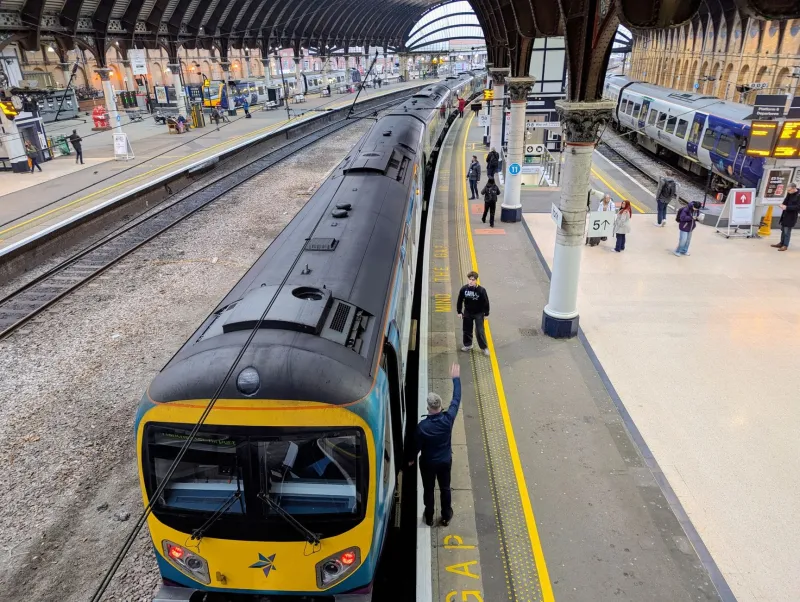
Gravel riding has a car problem. Half the good stuff seems to begin at the end of a lane that is forty minutes from the nearest town, and the internet route file usually assumes you have a estate car with a boot full of spare kit. For plenty of UK riders, that is simply not the setup.
The train solves most of it. Pick the right station, pack light, and you can ride from the platform into proper off-road terrain without begging a lift or paying for parking. These seven loops are not official race routes. They are practical weekend adventures built around train-friendly stations, with enough variety for a gravel bike, an adventure bike or a hardy hybrid.
How to use these loops
Check bike carriage rules before you travel. Policies vary by operator and by train type, and busy services can be strict. Aim for off-peak trains, book a bike space where required, and avoid the first service after a major event. Take a decent lock, a spare tube, and a paper or offline map in case your phone dies in a muddy valley.
1. Buxton and the High Peak Trails
Start/finish: Buxton station, Derbyshire. Distance: about 43 km. Surface: compact limestone trail, farm tracks and rough tarmac.
This is a good introduction to Peak District gravel without the full moorland epic. Head out towards the High Peak Trail, link quiet lanes around Pomeroy and return via the edge of the town. The surfaces are mostly firm, but rain can turn the farm sections greasy.
Café stop: Pavilion Gardens in Buxton is reliable and close to the station. Bailout: Shorten the loop by returning via the trail rather than the lane section. Train tip: Buxton services can be busy with walkers on weekends; board early and keep your bike clear of the doors.
2. Skipton and the Dales Fringes
Start/finish: Skipton station, North Yorkshire. Distance: about 52 km. Surface: bridleways, limestone tracks and rolling tarmac.
Skipton gives you a proper town base and quick access to the quieter lanes and tracks towards Embsay and Bolton Abbey. The riding is not extreme, but the climbing adds up. Expect mud after wet weather and a few gates that slow progress.
Café stop: The town centre has plenty of options; the station area is handy for a pre-ride coffee. Bailout: Return via the A59 corridor and quiet side lanes if the bridleways are sodden. Train tip: Skipton has frequent services, but bike spaces are limited on some Northern trains, so travel early.
3. Guildford and the North Downs
Start/finish: Guildford station, Surrey. Distance: about 38 km. Surface: sandy bridleways, chalk tracks and short road links.
This loop is a classic Surrey Hills sampler without trying to bag every climb. Head south onto the North Downs, link the sandy tracks around Newlands Corner and drop back into town on quiet lanes. When it is dry, it flows beautifully. When it is wet, the chalk gets sketchy.
Café stop: Newlands Corner is the obvious stop, with plenty of space for muddy bikes. Bailout: Gomshall station gives you a shorter return option if the weather turns. Train tip: Guildford is a major interchange, so avoid peak commuter services and check which operator runs your return train.
4. Lydney and the Forest of Dean
Start/finish: Lydney station, Gloucestershire. Distance: about 46 km. Surface: forest tracks, old railway lines and rough forest roads.
Lydney is a useful gateway to the Forest of Dean without needing a car park permit. The loop can take in wide forest tracks and a few steeper, looser sections. It is ideal for a gravel bike with decent tyres, though a hardtail would not be out of place.
Café stop: Pedalabikeaway is the natural mid-ride stop, with food and bike-friendly facilities. Bailout: Drop back towards Lydney on forest roads if legs or weather fade. Train tip: Services on the Gloucester line can be modest; check the timetable before committing to a late finish.
5. Ludlow and the Shropshire Borders
Start/finish: Ludlow station, Shropshire. Distance: about 50 km. Surface: quiet lanes, bridleways and rough farm tracks.
This one is less about technical gravel and more about linking lovely lanes with short off-road sections. The route heads into the border countryside, where the climbs are short and sharp and the views are worth the effort. It is a good choice for riders who want adventure without a full day of tyre-wrestling.
Café stop: Ludlow town centre is full of options; grab something before the return climb. Bailout: Craven Arms station offers a shorter rail-assisted escape. Train tip: Ludlow is served by the Welsh Marches line; bike space can be tight on two-carriage trains, so avoid the busiest afternoon services.
6. Hexham and the Northumberland Woods
Start/finish: Hexham station, Northumberland. Distance: about 48 km. Surface: forestry tracks, rough lanes and some tarmac links.
Hexham is a superb base for quiet riding. Head south into the woods and lanes towards the Allen Valleys fringes, where the gradients are honest and the surfaces are mixed. This is not a manicured gravel centre; it is proper northern rough stuff with a town at the end.
Café stop: Hexham has plenty of cafés near the station and abbey. Bailout: Corbridge station is useful if you cut the loop short. Train tip: The Tyne Valley line is scenic but not always frequent; check return times before you get distracted by cake.
7. Galashiels and the Tweed Valley
Start/finish: Galashiels station, Scottish Borders. Distance: about 40 km. Surface: forest tracks, old railway paths and quiet tarmac.
The Borders has become a serious destination for off-road riding, and Galashiels puts you close to the action without a van. Use the Tweed Valley trails and forest tracks for a loop that mixes smooth rail paths with rougher climbs. The scenery is big and the weather can change fast.
Café stop: Tweedbank and Galashiels both have useful stops; plan around the quieter one. Bailout: Tweedbank station gives you a short return via the Borders Railway. Train tip: The Borders Railway is popular with bikes, so reserve a space and avoid the last service if you are running late.
The no-car rule that actually works
Train-assisted gravel riding is not about being purist. It is about removing the boring bit. Pick a loop that suits your fitness, check the trains twice, and leave enough margin for a mechanical or a second café stop. The best route is the one you can still catch a train home from.