Two Locks, One Lamppost: What Actually Keeps a Commuter Bike Out of a Van
Every commuter eventually has the conversation. You come out of the office, or the leisure centre, or the station car park, and there's a wheel and a frayed cable where your bike used to be. The lock didn't fail because it was cheap. It failed because of where it was, what it was attached to, and how long it had been sitting there looking easy.
So let's skip the bit where I tell you to buy a good lock. You know that. What follows is the stuff that actually shifts the odds — and the stuff you can quietly stop spending money on.
Where you park beats what you buy
There's a rough hierarchy of risk, and it holds up far more reliably than any lock rating.
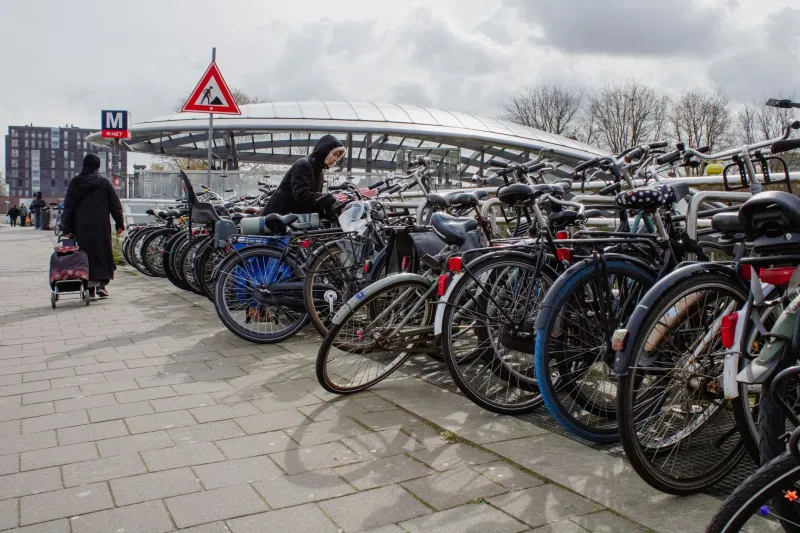
At the top: inside your house, your flat's hallway or a locked office. Next: a staffed, gated compound or a proper cycle hub with CCTV and a barrier. Then: a covered shelter with Sheffield stands, well-lit and overlooked. Below that: a busy high street railing in daylight. At the bottom, and this is where most thefts happen, the quiet side street round the back — out of sight, no passers-by, all the time in the world.
A £20 lock on a stand outside a busy café at 9am is safer than a £130 lock in an unlit alley overnight. If you can change one thing about your routine this week, change the postcode, not the shackle.
The two-lock rule, and why the cheap one earns its place
Thieves don't carry one tool. They carry a plan, and they prefer the plan to take seconds. A bike with two different lock types needs two different tools and two different attacks, which pushes it down the queue.
A sensible commuter setup looks like this:
- A Sold Secure Gold (or Diamond, for anything pricey or electric) D-lock through the rear triangle, wheel and the stand. Small shackle, filled as tightly as possible — a loose lock gives a jack somewhere to work.
- A second, cheaper lock or a decent armoured cable looping the front wheel to the frame.
The cable is not there to survive an attack. It's there to make the bike look like more hassle than the one next to it. That's an honest trade, and it costs about £15.
Two practical details people miss: keep the D-lock body off the ground (a lock lying on the pavement gives a hammer or grinder a stable, comfortable working position), and turn the keyway downwards or into an awkward spot so nobody can get a drill or a pick at it easily.
Give the lamppost a shake
Before you buy anything, go and wobble the thing you're locking to. It's more revealing than you'd think.
- Signposts: the post is often bolted to the base, but the sign on top can sometimes be unbolted, letting the post slide free. Give it a push.
- Sheffield stands: some are bolted down with standard bolts. If they're loose, or the stand rocks, walk on.
- Railings: check the spindles. Thieves lift bikes over the top of low railings, or prise a spindle out.
- Scaffolding and temporary fencing: no. Never.
- Trees: unkind to the tree, and easy to cut through or lift a lock over.
Anything you can lift a bike over, or dismantle in under a minute, isn't a parking spot.
Trackers: recovery, not prevention
This is where a lot of money gets spent for the wrong reasons.
A cheap Bluetooth tag — an AirTag or similar — hidden in the steerer tube, under the saddle or inside a bar end costs about £35 and works surprisingly well in cities. The catch is the anti-stalking alert: an iPhone owner who rides off with your bike will be told a tag is travelling with them. That usually means the bike gets dumped within a mile or two rather than making it to a lock-up. Which is a decent outcome, as long as you're realistic that you're recovering a bike, not stopping a theft.
Proper GPS units with a SIM cost £100-plus and then a monthly subscription. They're better, they're genuinely useful for expensive e-cargo bikes and anything insured for four figures, and they're completely wasted on a £250 pub bike.
Two rules. First, never go and confront anyone. Second, tell the police you have a live location and give them the tracker's details — that's a far better use of the signal than a doorstep argument.
The insurance clauses that catch people out
Most UK home contents policies will cover a bike away from home, but the details are where claims die.
- Single-item limits. Cover away from home is often capped at £500 or £1,000 unless you've listed the bike separately.
- Lock conditions. Many policies specify a Sold Secure rating, require the bike to be locked to a fixed point, and require the lock to be used in the way the manufacturer intended — meaning frame and a wheel.
- New-for-old or market value. Check which. A three-year-old bike on market value is a grim phone call.
- Excess. Factor it in. A £200 excess on a £400 bike makes the policy close to pointless.
- Evidence. Keep the receipt, a photo of the frame number, and the receipt for the lock. After a theft you'll want a crime reference number from the police and, ideally, the bike registered on BikeRegister or Immobilise.
Cycle-specific insurers often beat bundled home cover on all of the above, especially for e-bikes. Worth thirty minutes with a comparison site.
Deterrence is a bit of theatre, and that's fine
None of this stops a professional. All of it slows down the opportunist, and the opportunist is most of the problem.
A rain cover makes a bike anonymous. A saddle taken indoors removes the easy ride-away. A visible second cable, a sticker saying the bike is registered and marked, a scruffy bit of tape over the branding — all of it buys seconds or sends a signal. Park next to a nicer, worse-locked bike if you can, and don't feel too guilty about it.
What I'd spend, by budget
Beater commuter, under £400: £45 on a Gold-rated D-lock, £12 on a cable, £15 on BikeRegister marking. Skip the tracker, skip specialist insurance if your home policy already covers it.
Daily rider, £800–£1,500: £90–£120 on a decent D-lock, £40 on a chain for the front wheel, listed item on your contents policy, sold as Gold on the paperwork.
E-bike or cargo bike, £2,000+: Diamond-rated lock, a hidden GPS tracker with a subscription, a proper cycle policy that names the bike, and a lock left permanently at work so you're never tempted to travel light.
The lock is the cheapest part of the equation. The parking spot, the second lock and the paperwork are what actually keep the bike.