The School Run Without a Second Car: Five Households, Five Honest Verdicts
The second car that isn't there
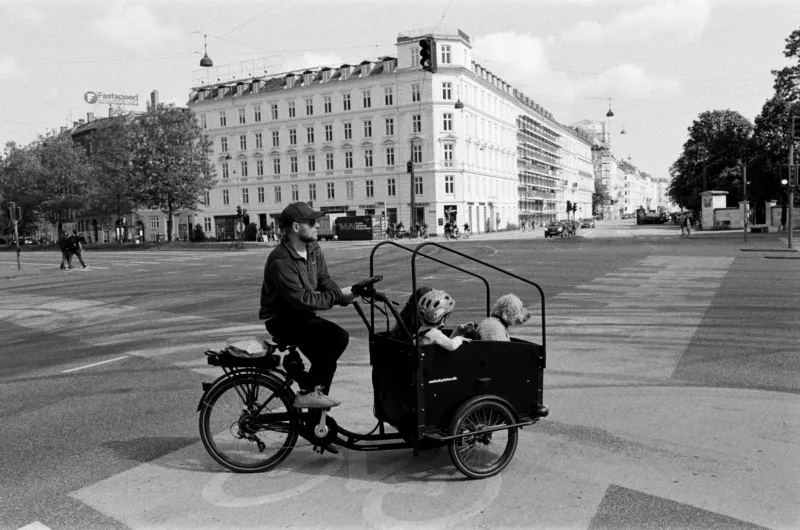
Cargo bikes are having a moment. You see them outside primary schools, at the supermarket and on the cycle path with a week's shopping strapped to the front. But the school run is not a trend; it is a daily logistics problem with a hard deadline. We asked five UK households what actually works, what it costs, and what they wish they had known before they swapped four wheels for two.
Bristol: the e-cargo bike that replaced a car
Hannah and Tom have two children, aged seven and four, and live in east Bristol. Their longtail e-cargo bike cost £4,200 on a cycle-to-work scheme, and they sold their second car within three months. “The maths was simple,” Hannah says. “We were paying about £3,600 a year to insure, tax, service and park a car we used twice a week.”
The route is a mix of the Bristol and Bath Railway Path and quiet residential streets. Rain cover, waterproofs and a decent set of mudguards do most of the weather work. Storage is a shed with a ground anchor. The honest trade-off? Maintenance and parking. “It is not a car. You cannot just chuck everything in and drive. But for school, nursery and the weekly shop, it has been brilliant.”
Sheffield: hills, battery and the school gate
Priya and Dan have one child, aged five, and live in Sheffield. Their front-loader e-cargo bike cost £5,000. Route planning matters more than they expected: they avoid the steepest hills and use the valley cycle route wherever possible. Battery range drops in cold weather, so they charge at work as well as at home.
Storage is a hallway with a ramp, which is less glamorous than a shed but works. The trade-off is width at the school gate and the fact that a cargo bike is not fun on a 12% gradient, even with a motor. “You learn which streets are wide enough and which corners are not,” Priya says. “The first month is trial and error. After that, it becomes normal.”
Edinburgh: weather is a kit problem
Fiona and Calum have two children, aged eight and six, and live in Edinburgh. Their front-loader e-cargo bike cost £5,800. They are blunt about the weather: it is a kit problem, not a reason to stop. Decent waterproofs, gloves, mudguards and a rain cover for the children make the difference between a grim ride and a perfectly fine one.
Storage is a bike hangar on the street. The trade-offs are wind and narrow cycle paths. “The first winter is the test,” Fiona says. “If you get the kit right, it is fine. If you don't, you will quit in November.”
Cambridge: the car-light compromise
Aisha and Ben have three children, aged nine, six and three, and live in Cambridge. They bought a secondhand cargo bike for £2,900 and use a trailer for the youngest. They kept one car for longer trips, big shops and visiting family. The route is flat, with good cycle lanes, and storage is a front garden with a heavy anchor.
The trade-off is that not every trip fits. “We are car-light, not car-free,” Aisha says. “The cargo bike covers the school run and most local trips. The car covers the rest. That feels honest for our family.”
Cardiff: the budget route
Rhys and Meg have two children, aged seven and four, and live in Cardiff. They bought a secondhand non-electric cargo bike for £1,200 and added a child seat. Their route uses the Taff Trail and quiet streets. Weather gear is waterproofs and a sense of humour. Storage is a locked shed.
The trade-off is pace. “It is slower than an e-bike, and hills are hard work,” Rhys says. “But it is cheaper than a car, and it keeps us fit. Just remember it is not free: locks, insurance, tyres and servicing all add up.”
What actually works
Across all five households, the same lessons keep coming up. Try before you buy, ideally with your children and your actual route. Plan for the days you cannot ride, whether that is illness, weather or a broken bike. Buy the best locks you can afford and store the bike somewhere secure. If you live somewhere hilly, an e-cargo bike is worth the extra cost. And do not underestimate the school gate: width, parking and timing matter more than spec sheets.
The honest trade-offs
Cargo bikes are not a universal car replacement. They work best for families with short, relatively flat routes, secure storage and a backup plan. They are expensive upfront, heavy, and awkward to park. But for the school run, they can replace a lot of short car trips — and for the families above, that has been enough.