The £40 Reset: Why Your Old Bike Deserves Another UK Winter
November in the UK has a way of making every bike look tired. The roads are gritty, the lanes are leaf-slicked, and the showroom windows are full of shiny machines with tempting finance offers. It is exactly the moment when a lot of riders start wondering whether a new bike would solve everything.
Usually, it would not. For most commuters, weekend riders and general all-rounders, the smarter winter move is a £40-ish service, a couple of well-chosen replacement parts and a hard look at where you actually ride. That is less exciting than a new superbike. It is also more likely to make you faster, comfier and more reliable by February.
The winter maths nobody posts about
A £4,000 road bike is a lovely thing. It is also a terrible answer to a squeaky bottom bracket, a skipping chain and a saddle that has been slowly migrating downwards since September. Those are maintenance problems, not frame-material problems.
A basic shop service might cost £40 to £70 depending on where you live. Add a chain, cables and brake pads and you are still well short of a decent set of carbon wheels, let alone a new bike. If the service fixes the noise, restores shifting and gets the brakes biting properly, you have bought yourself another winter of dependable riding for roughly the price of a tank of fuel and a couple of café stops.
The speed argument is just as lopsided. A clean drivetrain, correctly inflated tyres and bearings that are not full of road filth will do more for real-world pace than a marginally stiffer frame. On a wet commute, reliability beats prestige every time.
What a proper service actually buys you
Not every workshop job is worth paying for, but some are genuinely good value. A decent winter service should cover the stuff that quietly degrades: gear adjustment, brake pad inspection, tyre condition, bolt checks, wheel trueing and a general safety once-over. If the mechanic is thorough, they will also spot the problems you have learned to ignore.
Jobs worth paying for include:
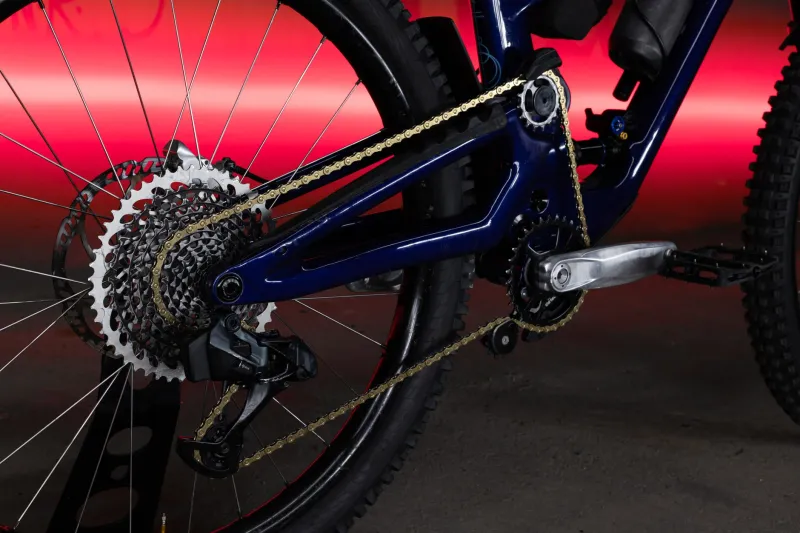
- Drivetrain replacement when the chain is worn beyond saving. A new chain and cassette can transform shifting and protect the chainrings.
- Brake bleeding or cable replacement on wet-weather commuters. Braking performance is not a luxury.
- Wheel trueing and bearing service if the wheels wobble or the hubs feel rough. This is often cheaper than a new wheelset and just as effective.
- Headset and bottom bracket service when creaks appear. Creaks are not character. They are usually dirt and tired grease.
- A basic fit check if you have changed saddles, bars or shoes. Small tweaks can be worth more than expensive components.
Jobs to question include anything sold as a performance upgrade before the basics are sorted. A ceramic bearing upgrade on a bike with a stretched chain is not money well spent.
Repair or replace? A blunt checklist
Before you drift towards the bike shop’s new arrivals, run through the awkward questions.
- Is the frame cracked, bent or corroded beyond safe repair? If yes, stop. Replace.
- Are the rims worn through at the brake track, or are the wheels repeatedly failing? Replacement wheels may be enough.
- Is the seatpost seized, the bottom bracket thread stripped or the derailleur hanger beyond saving? These can be fixed, but get a quote first.
- Is the repair bill more than half the bike’s current value? At that point, a new or used replacement deserves serious thought.
- Can you still get the parts? Obsolete standards are a real issue, especially on older commuters and gravel bikes.
- Does the bike still fit the riding you actually do? A perfectly serviceable road bike is still the wrong tool if your commute now includes towpaths and bridleways.
If most answers are reassuring, service it. If two or three are grim, start shopping. That is a far better test than whether the paint looks dated.
When a new bike is genuinely justified
There are honest reasons to buy. A crash-damaged frame, a stolen bike, a long-term injury that changes your position, or a commute that has shifted from smooth tarmac to rough tracks can all make a replacement sensible. So can a bike that has become a money pit because the standards are obsolete and every repair is a treasure hunt.
A new bike is also justified if you have never had a proper fit and the current machine causes pain no tweak can solve. But be honest: that is a fit problem first, not automatically a shopping problem.
What is not a justification is boredom, a sale email, or the vague feeling that everyone else is on something faster. Most UK riders do not need more bike. They need less grit in the drivetrain and a route that does not dump them onto a dual carriageway at 8am.
The fit tweak that beats a carbon wheelset
Before spending big, spend an hour on contact points. Saddle height, saddle tilt, reach and bar height can change comfort dramatically. So can tyre pressure. A 28mm tyre at 90psi is not faster on a potholed British lane; it is just less comfortable. Dropping pressure slightly often improves grip and reduces fatigue.
Then look at the route. A quieter parallel lane, a short canal towpath link or a different station exit can remove the worst ten minutes of your ride. That is free speed and free calm.
A sensible winter reset plan
Clean the bike properly. Check the chain for wear. Replace the cables if shifting is vague. Fit fresh brake pads. Book the shop service if bearings, wheels or brakes are beyond your tools. Then ride it for a week before deciding anything.
If it still feels sluggish, ask why. Is it the bike, or is it the route, the fit, the tyres, or the fact that you are riding into a headwind for forty minutes? Usually, it is not the frame.
A £40 service will not impress anyone in the café car park. It will, however, get you there with working brakes, clean shifts and a bit more money in your pocket. For most riders, that is the real winter upgrade.