No Shop for Twenty Miles: How to Keep Riding When the Local Bike Shop Isn’t Local
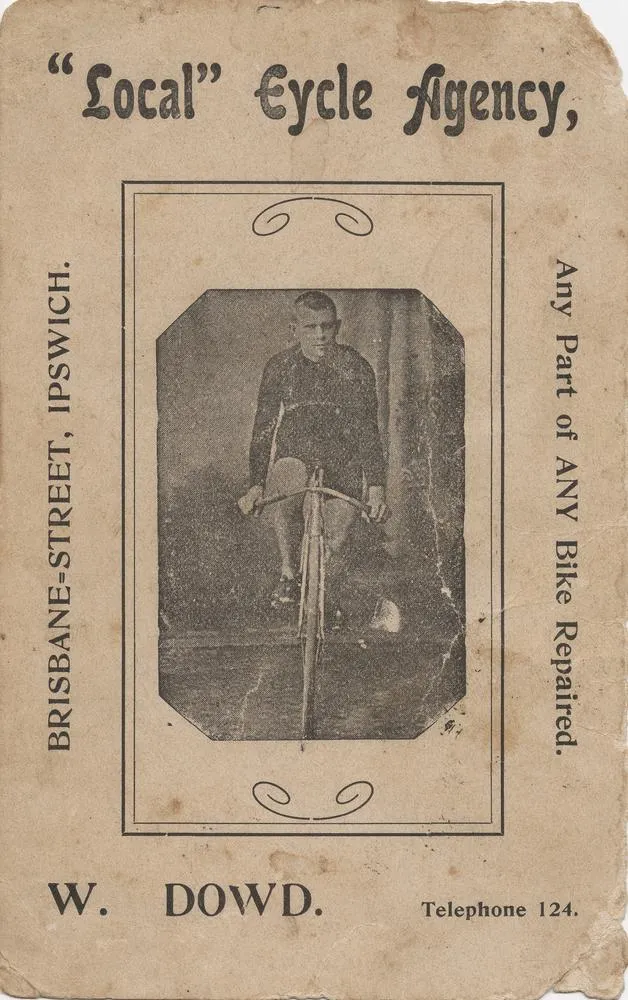
Photo: Contributor(s): Unidentified, Public domain, via Wikimedia Commons
There’s a particular kind of silence that follows a broken gear cable in a village outside a market town. You look at the bike, then at the map, then at the train timetable. The nearest shop that can fit you in is twenty miles away, and it doesn’t open on Mondays. For riders in rural towns and outer suburbs, this is the everyday reality of the local bike-shop service gap. It isn’t a crisis. It’s a logistics problem, and like most logistics problems it gets easier once you stop pretending it isn’t there.
The gap is measured in half-days, not miles
A twenty-mile drive sounds manageable until you don’t have a car, or the car is needed elsewhere, or the shop wants the bike left for a week. Then the trip becomes two train journeys, a bike space that may or may not exist, and a day shaped around someone else’s opening hours. In 2026, plenty of riders in commuter belt towns are closer to a station than a workshop. The distance on the map is less important than the number of trips it takes to get a simple job done.
A worn brake pad is a ten-minute job with the right tools. When the shop is far away, it becomes a return fare, an appointment slot, and a missed Saturday ride. That’s the real cost of the repair gap: not just the parts bill, but the half-day you didn’t plan for.
What the trip actually costs
Take a straightforward mechanical brake pad swap. The pads might be £12 to £20. A return train fare from an outer suburb or small town can easily be £9 to £18, more if you’re travelling at peak time. Add a couple of hours of travel, the risk of the shop being busier than expected, and the chance you’ll need to come back because the part wasn’t in stock. Suddenly a small repair has become a £40 day out. If the bike has to stay in the workshop, double the journeys and add a week of reduced riding.
None of this is an argument against bike shops. Good mechanics are worth every penny, and the ones still serving smaller towns are often doing heroic work with thin margins. The point is that the economics change when the shop isn’t local. You start making different decisions about which jobs you’re willing to learn and which ones justify the expedition.
The jobs worth owning
The sensible split is between low-risk, high-frequency jobs and work that needs expensive tools or a trained eye. Punctures, chain lubrication, brake pad replacement on mechanical systems, cable replacement, gear indexing, bolt checks and cleaning are all worth learning. They’re repetitive, they’re well documented, and a mistake usually announces itself before it becomes dangerous.
Hydraulic brake bleeds, bottom bracket replacement, wheel building, suspension servicing, e-bike motor diagnostics and frame alignment are a different matter. You can learn them, but the tools and the consequences are bigger. For most commuters and weekend riders, those are the jobs to book in — either with a mobile mechanic, a repair café with the right expertise, or a shop trip planned around a day out rather than an emergency.
A toolkit that fits under the stairs
You don’t need a full workshop. You need the tools for the jobs you’ll actually repeat. A decent hex key set is the foundation, ideally with a ball-end driver for awkward angles. Add a torque wrench for stems, seatposts and brake bolts; a cheap one is better than guessing. Cable cutters matter more than people expect — blunt side cutters fray cables and make a five-minute job miserable. A chain tool, a track pump, tyre levers, a puncture kit and a pair of nitrile gloves will cover most roadside and hallway repairs.
A workstand is optional but transformative. You can spend £40 to £80 on a basic one, or use a cheap wall hook if space is tight. What matters is getting the bike at a workable height so you’re not kneeling on cold tiles chasing a gear cable through a shifter. Keep the tools in one box or roll. A scattered toolkit is a toolkit you avoid using.
Spares that stop a second journey
The best way to close the repair gap is to avoid needing the shop twice. Keep a small box of consumables: two or three inner tubes in your size, a patch kit, a spare gear cable, a spare brake cable, a couple of pairs of brake pads, quick links for your chain, chain lube and a rag. If your bike has a common derailleur hanger, keep a spare. These are the parts that turn a ride-ending fault into a twenty-minute fix.
Check your stock at the start of winter, not after the first wet commute. Pads wear faster in grit, cables stiffen, and tubes disappear into the void of the shed. A labelled box sounds fussy until the first dark Tuesday when you need it.
When to call in help
A mobile mechanic can be excellent value when the job is awkward, the bike is immovable, or the alternative is a day off work. Expect to pay more per hour than a shop, but less than a lost day and two train fares. Use one for hydraulic brakes, stuck bottom brackets, wheel truing that won’t settle, or anything you’ve tried twice and made worse.
Repair cafés are brilliant for simple jobs, advice and confidence-building, especially if you want to learn alongside someone. They’re not a substitute for a proper workshop when a bearing is collapsing or an e-bike is throwing error codes. Be honest about the limit of the setting.
The trip-worthiness test
Before booking the train, ask three questions. Can I do this safely with the tools I own? Is the failure likely to get worse gradually, or suddenly? Does the job need equipment I’m unlikely to use again? If the answer is no, no and yes, make the trip. Book ahead, ask whether they can do the work while you wait, travel off-peak if you can, and take a lock even if you’re not planning to leave the bike.
The twenty-mile gap won’t close for every rider. But a modest toolkit, a box of spares and a clear line between home jobs and shop jobs turn a repair emergency into a planned errand. That’s not just cheaper. It’s the difference between a bike that gets used and one that sits in the hall waiting for a train.