The Commuter's Load: What a Laptop Really Does to Speed, Sweat and Your Bike
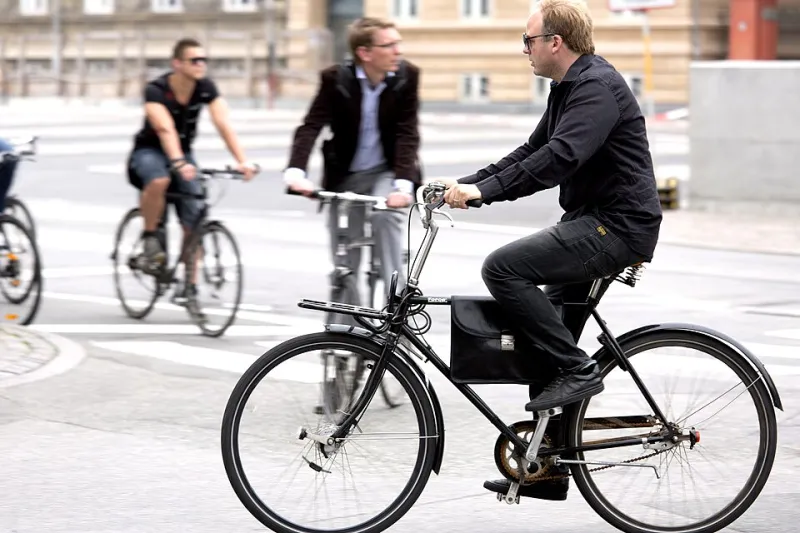
Photo: Johan Wessman / News Oresund, CC BY 2.0, via Wikimedia Commons
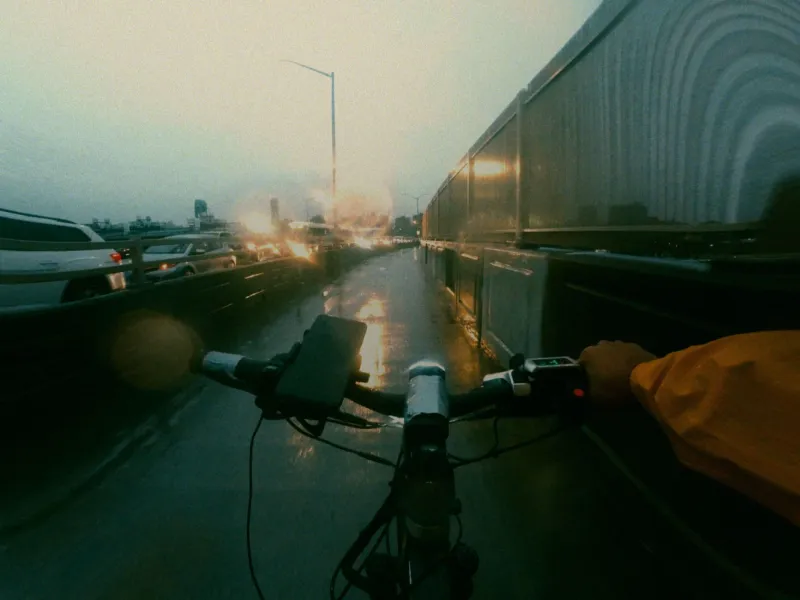
A laptop feels harmless when you pick it up at your desk. On the bike, halfway up a draggy rise with three traffic lights still to go, it becomes something else: a high-mounted weight that shifts every time you stop, a sweaty patch on your back, and one more thing to worry about when the sky turns the colour of wet slate. At SuperByke we are not here to tell you a laptop is heavy in the way a touring load is heavy. It is not. But it is heavy enough to change the feel of a commute, and the way you carry it quietly decides how much you enjoy the ride, how often you wash your work shirts and how much you end up spending on racks, bags and replacements.
The Ride We're Actually Comparing
Let us set a realistic benchmark rather than a fantasy one. Call it seven kilometres each way, twenty-five minutes door to door, plenty of stopping and starting, a few potholes, one decent drag and a British forecast that cannot be trusted. The load is a 1.6kg laptop, a 0.4kg charger, a packed lunch and a thin jumper: roughly 3kg all in. That is not expedition weight, but it is enough to notice when it sits in the wrong place.
We are comparing four ways of carrying it: a backpack, a single pannier, a rack trunk and a bikepacking-style seat pack or handlebar roll. The point is not to crown one universal winner. It is to work out what each option actually costs in money, sweat and wear.
Backpack: The Default That Costs You Later
A decent commuting backpack costs £40 to £120. It needs no rack, no mounts and no faff. You put it on, ride, and walk into the office looking like a cyclist who has simply chosen a bag. For short, flat commutes under five kilometres, it is hard to beat.
The trade-off is your back. A 3kg load sitting high on your shoulders raises your centre of gravity and makes the bike feel twitchier when you stand to climb or shift around a stopped bus. More importantly, it traps heat. Even in a British November, a backpack over a waterproof shell turns your back into a small greenhouse. That means extra shirts, more laundry, and sometimes a shower you would not otherwise need. If your office has no shower and no drying room, the backpack is quietly charging you in time and wardrobe admin.
Frame wear is minimal because the bike is not carrying anything. The wear lands on the bag: straps fray, zips give up, and the waterproof coating stops being waterproof after a couple of winters. A £10 dry bag inside helps, but it is another item to remember.
Verdict: fine for short rides, light loads and riders who have somewhere to change. Less fine when the commute is long, hilly or sweaty.
Panniers: The Sensible Slog
A single pannier costs £60 to £150 and a basic rear rack adds £25 to £60. That is an upfront hit of £85 to £210, which sounds like a lot until you compare it with the cost of a replacement laptop or a winter of extra laundry.
Panniers put the weight low and at the back. The bike feels more planted, especially in crosswinds and on greasy corners. You arrive with a dry back and a much lower sweat tax. The handling does change: a single loaded pannier makes the bike slightly asymmetric, and the front can feel light when you stand up. Load it sensibly, keep the heavy items low, and it is a minor quirk rather than a problem.
The hidden bill is frame wear. Rack mounts collect grit, pannier hooks rub paint, and a cheap rack can flex enough to crack a frame if it is overloaded. A £5 roll of helicopter tape on the rack legs and frame contact points is money well spent. Weather protection is usually good, but check the closure: some panniers are water-resistant rather than waterproof, and a laptop sleeve inside is still wise.
Verdict: the best all-round answer for daily laptop commutes over twenty minutes, especially if you ride in normal clothes and want to arrive presentable.
Rack Trunks and Bikepacking Setups: Niche but Useful
A rack trunk costs £50 to £120 and sits on top of the rack. It is neat for a laptop plus lunch, but capacity is limited and many trunks need a separate padded sleeve. It works well on a folding bike or a hybrid where a full pannier feels like overkill. The downside is that the weight sits higher than a pannier, so handling is a little less settled.
Bikepacking setups look brilliant and are mostly wrong for laptops. A seat pack sways when you pedal hard, a handlebar roll interferes with cables and lights, and both can rub frames and forks. They are excellent for weekend micro-adventures, but for a daily laptop run they add faff and wear without solving the sweat problem.
Verdict: a rack trunk is a decent compromise for short-to-medium rides and mixed use. Bikepacking bags are for weekends, not the office run.
The Hidden Bill: Weather, Wear and Replacement
Here is the arithmetic that matters most. A laptop that gets soaked can cost £500 or more to repair or replace. A backpack with a worn-out waterproof zip is not protection. A pannier with a bad closure is not protection either. Whatever you choose, put the laptop in a padded sleeve and then in a dry bag. That is £15 to £30 and it is the cheapest insurance in this article.
Frame wear is slower but real. Straps, grit and rack clamps rub paint. Pannier hooks wear through finish. A few strips of protective tape and occasional cleaning will save you more than any bag upgrade.
Verdicts by Rider Type
For a short, flat commute with a shower at the other end, a backpack is fine and cheapest upfront. For a longer stop-start ride, a single pannier and a modest rack is the sensible spend. For a rider who uses the bike for shopping and weekend trips too, a rack trunk or a small pannier gives more flexibility. And for anyone carrying a laptop in British weather, the real priority is not the bag brand but a dry bag, a padded sleeve and a rack that fits properly. Get those right and the laptop stops being a tax on your commute.